

Image matters — and a lot.
We walk down the street and find two stores in the same sector next to each other. One has a polished image, attractive signage, and a well-presented storefront. The other has a peeling, dirty facade and a sign that looks like it came straight out of an old TV show. Which one would you walk into?
Why do we care about having nice business cards if we could just hand out our details scribbled on a piece of paper?
People will judge your company based on the quality of your website — tweet this.
Even though this may not reflect reality — you might be the best at what you do and still have an unattractive website — people ultimately associate the quality of your website with the quality of your business. As reflected in this testimonial:
“I assume that if the practice has enough money to produce a well-designed website, it will also have enough money to pay for the best equipment and professionals…”
Make a Good First Impression
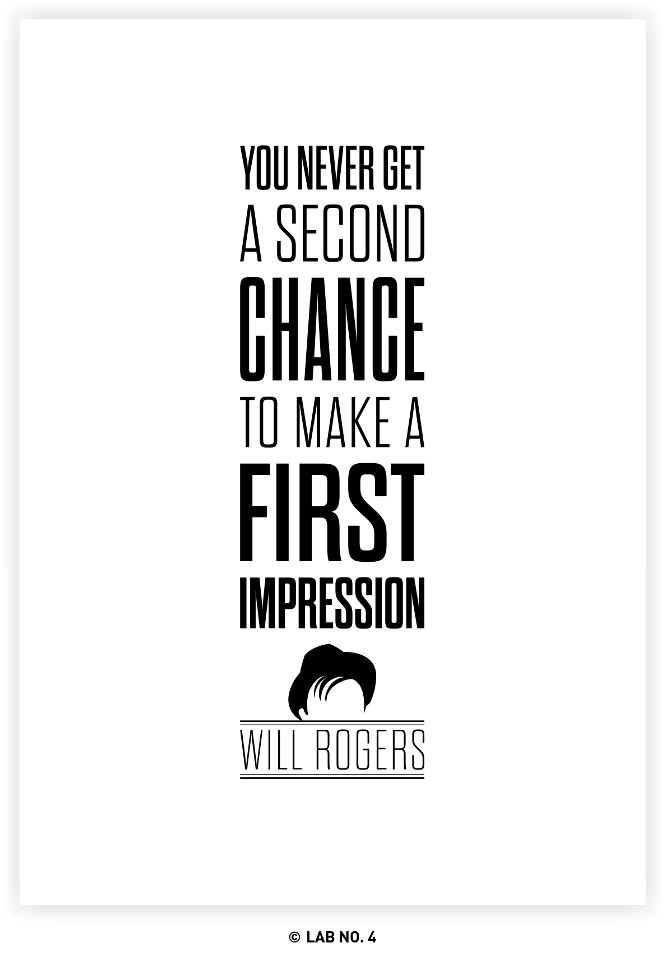
A corporate website is a company’s business card. There are no second chances to make a first impression — and that first impression is the one that counts. Visitors to your site must be able to understand who you are within three seconds. That’s why the first image you choose and your headline text are so important.
It’s no coincidence that 2015 web design trends featured full-screen images and videos.
I can already see your faces — you’re thinking about exceptions. We all go to that terrible-looking bar because they make the best calamari sandwich in the world, or to that gloomy hardware store because Manolo always finds the exact part you need.
And in the digital world — does Google have the best design on the internet? Or is it just because it has the best functionality?
The Authority of a Website
As a protective mechanism, the human brain needs to reduce uncertainty when facing stimuli. How? Automatically and unconsciously, within seconds, it classifies everything and everyone based on previous experiences: I like it or I don’t, it’s good or it’s bad.
Prejudices don’t just exist — they’re necessary for survival.
Is Google unknown to anyone today? Even grandmothers know it. There’s no uncertainty about what it is — so appearance becomes less important.
When designing your website, this translates into including logos of well-known clients, testimonials from companies you’ve worked with, or even a well-chosen quote to build authority.
Think About What You Offer the User
Another example is Reddit — a site that prioritizes functionality over design. With its simple layout, its community of around 70 million users is one of the largest on the web.
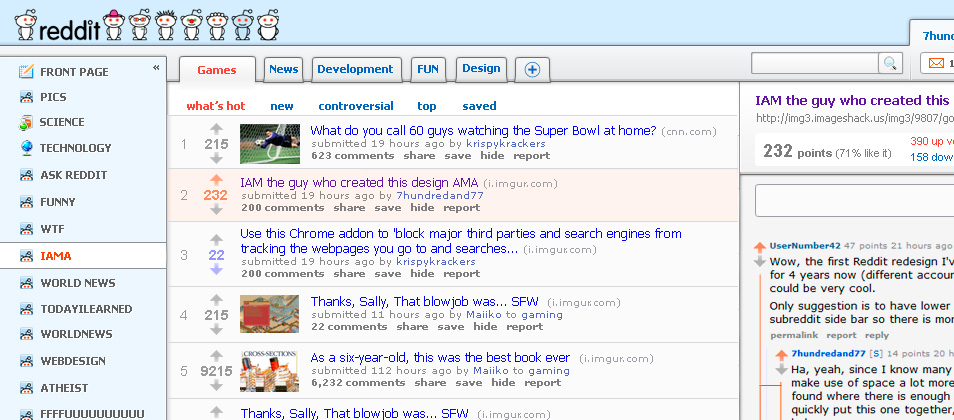
Why?
-
News and information appear on Reddit before anywhere else.
-
Conversations are extremely active and engaging.
-
Anonymity — users don’t have to share personal data like on other networks.
-
No censorship — users can say what they want.
-
A rating system — content can be upvoted or downvoted.
All of this makes Reddit’s content highly valuable to users who consume and recommend it.
Work on Recommendations
Did your father take you to that shabby bar when you were young? Did your best friend recommend it? Does everyone in the neighborhood know that Manolo is the best hardware store owner?
Recommendations have always moved the world — word of mouth. Today in digital terms we call it peer-to-peer, Web 2.0, or social media — but it’s the same concept.
Tweet this.
If your prestige and functionality are proven and your customers recommend you, protect and nurture that above all else.
As we can see, a website can be unattractive — but if it provides the functions users want and is recommended, it will achieve good results.
Usability — Can Users Find What They Need?
Let’s look at the other extreme.
A company like Air Europa, known for excellent service in many areas, created a website with a beautiful design — but was it usable? Hardly. Go ahead and try to find the check-in section and see how long it takes you.
Key Elements of Good Web Design
-
Appropriate website name
-
Logical layout of elements
-
Clear navigation
-
Engaging design (especially use of colors)
-
Avoid distractions (ads and pop-ups)
-
Fast loading speed
-
Readability
-
Balanced amount of text
-
Avoid being overly promotional
-
Well-structured and easy to navigate
-
Goal-oriented and aligned with the company’s message
-
High-quality, clear content
-
Usability
-
Social interaction features
-
Accessibility
-
Responsive design (works on any device)
-
Avoid errors such as typos or broken links
As in life, your website should seek balance: design, usability, and functionality.
Oh — and then deliver excellent customer service… but we’ll talk about that in another post 😉
